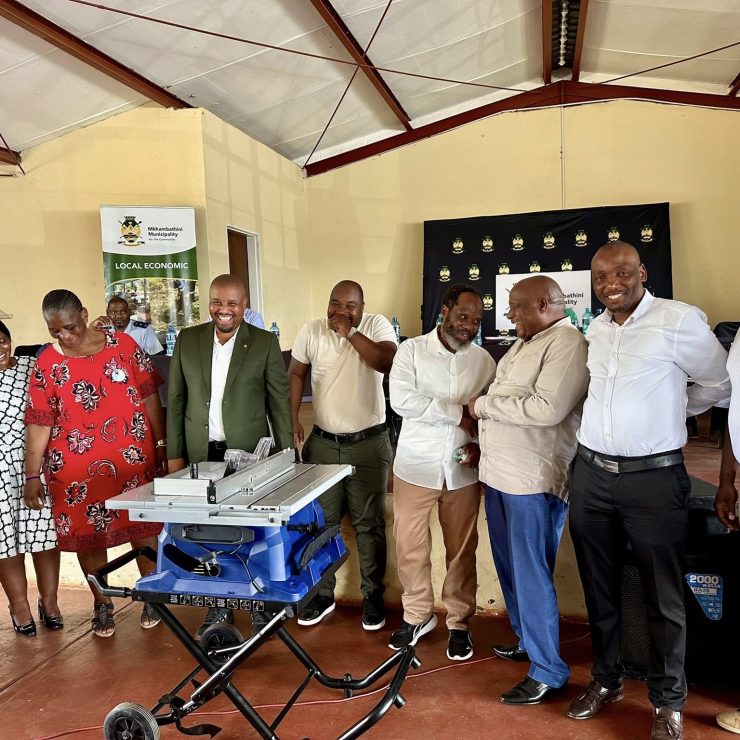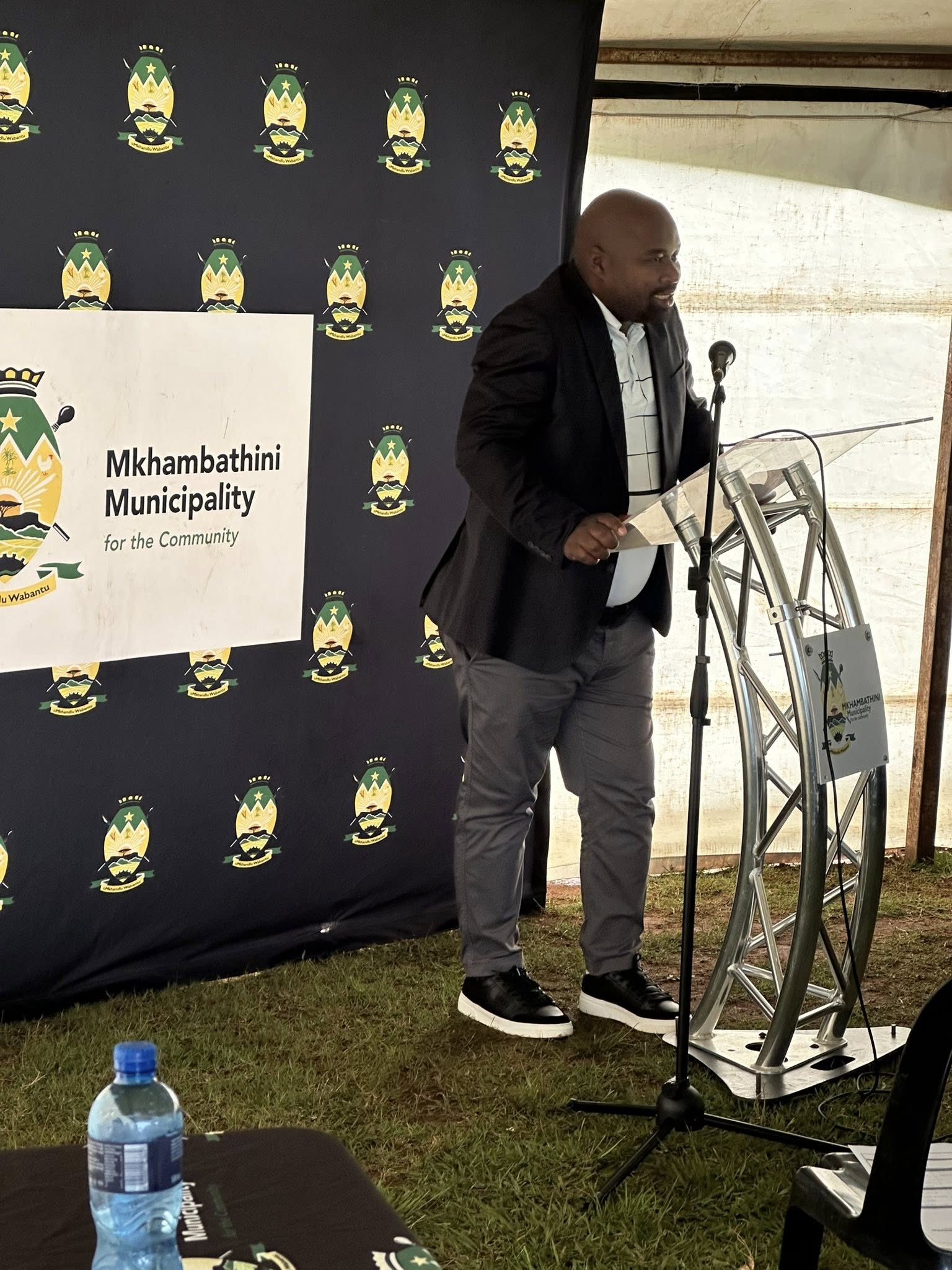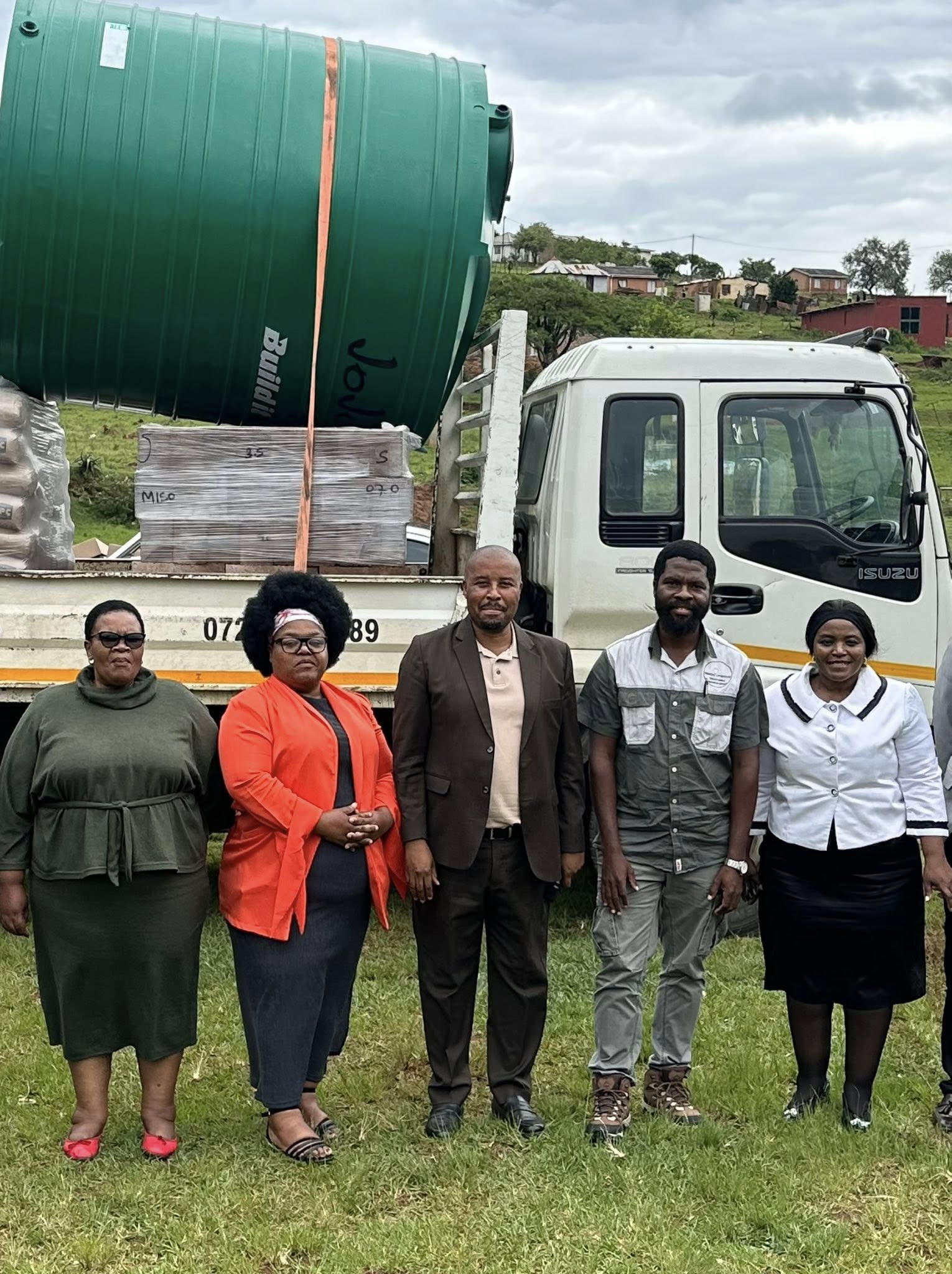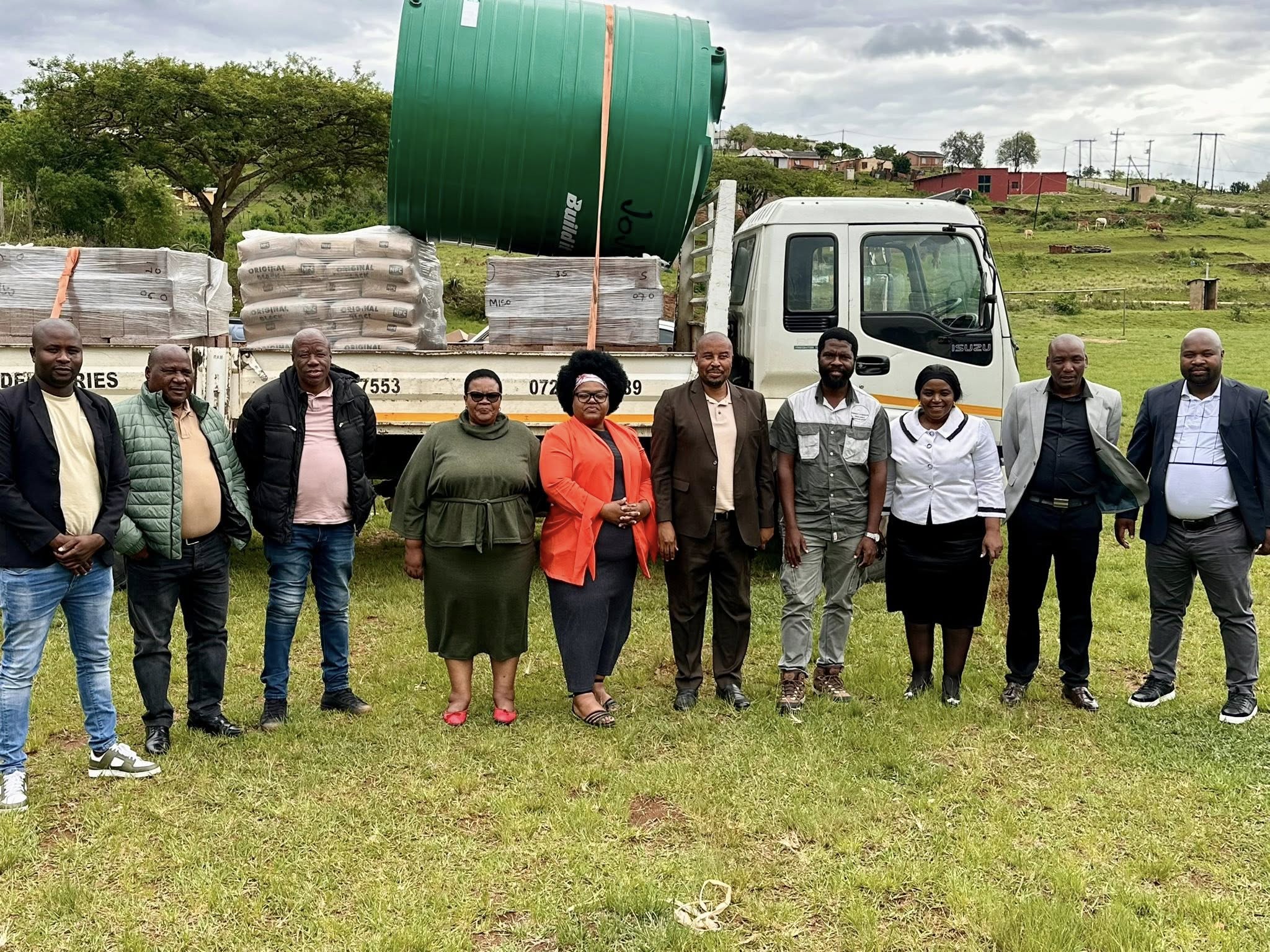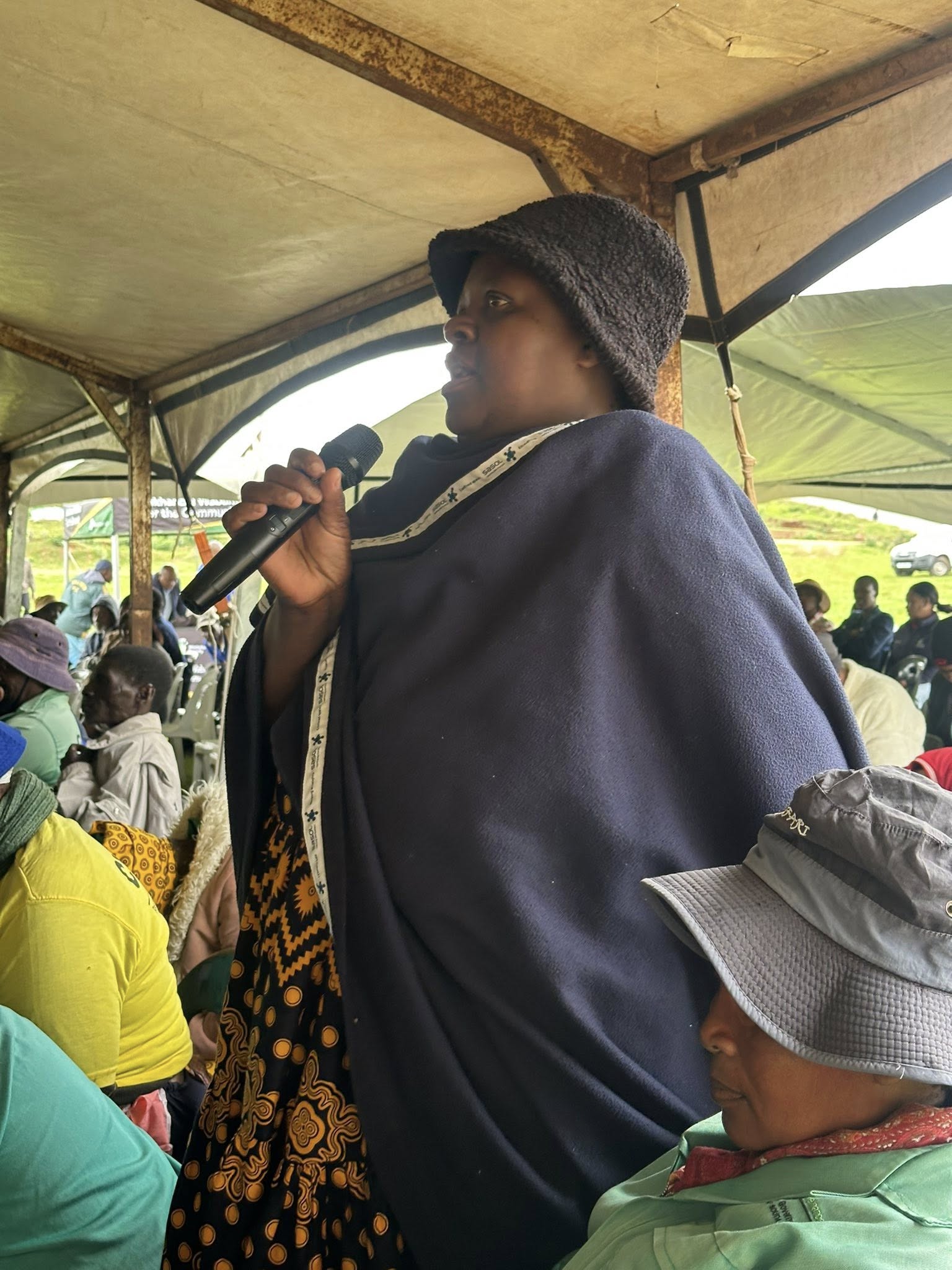

At an imbizo in Ward 5 this week, Mkhize Livestock – a small goat-farming enterprise – was named a beneficiary of the municipal business support programme. The assistance, which supplied materials to build a proper kraal, is a small intervention with outsized potential: it responds to an immediate need while enabling the business to scale, create jobs and strengthen the local rural economy.
Mr. Mkhize farms goats and explained that a secure, well-constructed kraal will allow him to house more animals safely, reduce losses, and manage breeding more effectively. Those operational improvements translate directly into growth: more stock, greater production, and the capacity to hire additional hands. For a single entrepreneur in a small community, that is the difference between subsistence and enterprise.
The municipal programme’s decision to invest in physical infrastructure – rather than only offering cash transfers or short-term training – reflects an understanding of what livestock producers need to transition to commercially viable operations. A durable kraal protects assets, improves animal health, and lowers recurring costs. These practical gains make subsequent investments in feed, veterinary services and market linkages more worthwhile.
Yet the handover also highlights broader imperatives. To turn individual successes into community resilience, support must be comprehensive and sustained. Municipal backing should be coupled with:
Technical training in herd management, disease control and sustainable grazing practices.
Access to veterinary services and affordable inputs.
Market development assistance, including aggregation, transport and connections to formal buyers.
Financial services tailored to agricultural cycles, such as microloans and insurance.
There is also a governance and accountability angle. Public business-support programmes must be transparent and monitored for impact to ensure limited resources reach entrepreneurs who can deliver jobs and wider benefits. Local demonstration sites like Mkhize Livestock can serve as case studies – informing best practices and guiding where to scale support within the ward and beyond.
Private sector partnerships and cooperatives can amplify municipal efforts. Collective marketing, shared processing facilities and cooperative purchasing reduce costs and open new markets for smallholders. For goat farming specifically, value-chain diversification – meat, dairy, skins, and niche products – can insulate producers from price shocks and broaden income streams.
Finally, the human element should not be overlooked. Supporting entrepreneurs like Mr. Mkhize bolsters dignity, agency and hope in communities where opportunities are scarce. When a local government invests in the tangible needs of small businesses, it signals a commitment to inclusive growth and sustainable local development.
Mkhize Livestock’s new kraal may seem modest on paper, but its ripple effects could be significant: stronger livelihoods, more jobs in Ward 5, and a practical model for how municipal support, paired with follow-on services, can unlock rural enterprise. That is precisely the kind of local investment public programmes should aim to multiply.